
THERMIC FLUID HEATER
A Thermic Fluid Heater, also known as a thermal oil heater, is an advanced industrial heating system designed to transfer heat indirectly to processes using a specially formulated heat transfer fluid such as thermal oil. It is widely preferred across industries for its ability to deliver high temperatures at low operating pressures, providing excellent thermal efficiency, safety, and precise temperature regulation.
A Thermic Fluid Heater operates as a closed-loop system in which the heat transfer fluid is continuously heated, circulated, and reheated, enabling a stable and controlled heating process. This makes the system highly reliable for industries that require consistent and accurate temperature control.
How a Thermic Fluid Heater Works
The working principle of a Thermic Fluid Heater involves multiple steps executed in a safe, controlled cycle:
- Fuel Combustion:
Fuel such as furnace oil, diesel, LDO, natural gas, or propane is burned inside the combustion chamber. The design ensures complete combustion, maximizing energy output and minimizing fuel consumption. - Heat Transfer to Thermal Oil:
The heat generated from fuel combustion is transferred to the thermic fluid flowing inside heat-resistant coils. As the fluid absorbs heat, its temperature rises efficiently. - Circulation of Heated Fluid:
The heated fluid is circulated by pumps through a system of pipelines and heat exchangers, where it transfers heat to the required industrial process, equipment, or machinery. - Return Cycle:
After releasing heat, the cooled fluid returns to the heater to be reheated, completing the closed-loop cycle and ensuring continuous, efficient operation.
Advantages of a Thermic Fluid Heater
-
A Thermic Fluid Heater offers several noteworthy benefits:
- High Thermal Efficiency:
These systems achieve exceptional heat transfer efficiency, resulting in reduced fuel consumption and lower operational costs. - Precise Temperature Control:
Since thermal oil can be controlled accurately, processes requiring strict temperature stability benefit greatly. - Low Operating Pressure:
Unlike steam boilers, thermic fluid systems operate at low pressure even at high temperatures, making them safer and more dependable. - Wide Temperature Range:
Capable of achieving temperatures up to 400°C or more, depending on the thermic fluid used. - Versatile Applications:
Widely used in chemical plants, textile mills, food processing units, pharmaceutical industries, oil refineries, lamination plants, plywood factories, and more.
- High Thermal Efficiency:
Major Components of a Thermic Fluid Heater
- Heater Unit: The core system where thermal oil is heated.
- Heat Transfer Fluid: Typically high-grade mineral or synthetic thermal oil.
- Pumps: Ensure continuous circulation of the heated fluid.
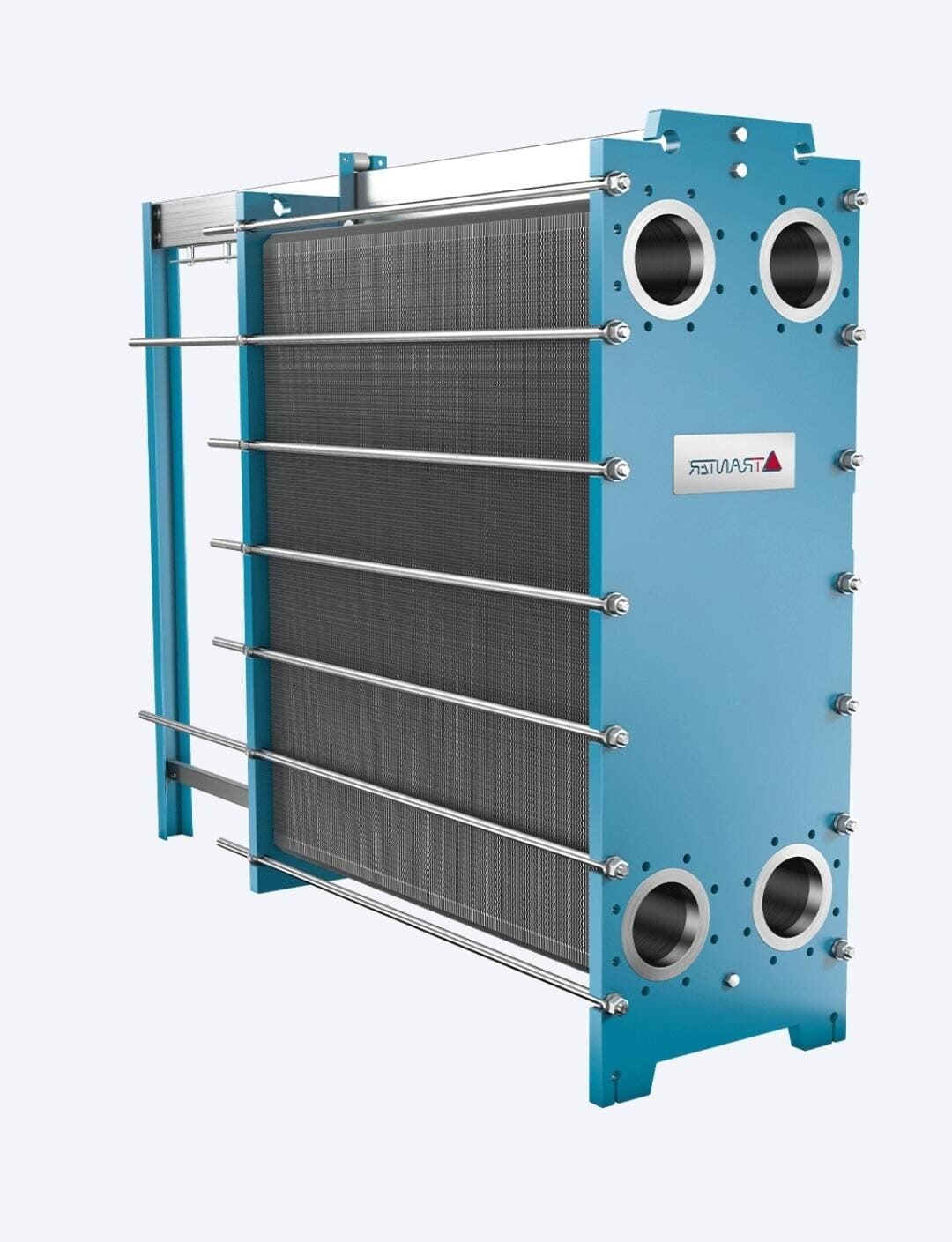
- Heat Exchangers: Transfer heat from the thermal fluid to the process.
- Control System: Manages temperature, flow, combustion, and safety interlocks.
- Furnace: The combustion chamber responsible for generating heat.
- Deaerator cum Expansion Tank: Removes vapor and accommodates the expansion of heated thermal oil.
Types of Thermic Fluid Heaters
- Oil-Fired Heaters
- Gas-Fired Heaters
- Electric Heaters
Each type is selected based on fuel availability, operational costs, and process requirements.
Design and Engineering
The design of a Thermic Fluid Heater involves several technical considerations:
-
- Customer Requirement Analysis:
Engineers analyze heat load, process temperature, fuel type, and space constraints to design an optimized heater. - Material Selection:
Heat-resistant alloy steels are chosen to withstand high temperatures and corrosion. - CAD Modeling:
Advanced 3D design tools help create precise coil arrangements, structural components, and safety layouts.
- Customer Requirement Analysis:
Manufacturing Processes
- Coil Forming: Coils are shaped using automated bending machines.
- Welding: High-quality welding ensures leak-proof and durable coil joints.
- Assembly: Components like coils, headers, combustor, and air preheater are systematically integrated.
Quality Control and Inspection
Strict quality procedures ensure safe operation:
-
- Non-Destructive Testing (NDT): Ultrasonic testing, radiography, and MPI verify weld integrity.
- Pressure Testing: High-pressure trials confirm strength and durability.
- Standards Compliance: Systems are built according to ASME and related industry codes.
We are associated with Tranter
Get A Quote
Looking for a Reliable Boiler Solution?
A House of Power, Civil, Construction, Water Pollution Control & Environmental Research
Energy Services
25, Dr. Lalit Banerjee Sarani, 1st Floor
Kolkata – 700 073, West Bengal, India