Boiler Manufacturer

Boiler Manufacturer

Boiler Manufacturer in India: Driving Industrial Growth with Energy Efficiency

Introduction

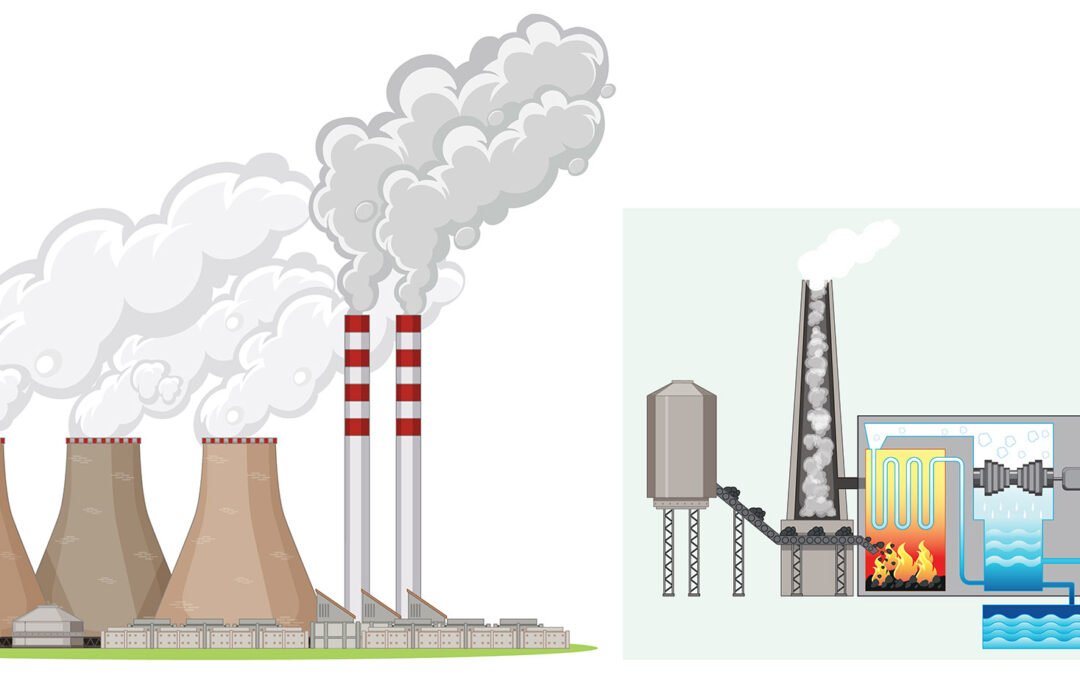
Boiler manufacturing in India plays a pivotal role in fueling the nation’s industrial progress. Boilers form the foundation of energy generation and process heating across numerous sectors, including rice mills, textiles, food processing, chemicals, pharmaceuticals, and power generation. As a trusted Boiler Manufacturer and energy services provider, we specialize in designing, fabricating, and supplying high-quality boilers that ensure maximum efficiency, safety, and sustainability. Our focus lies in delivering customized boiler solutions that align with industry-specific needs, helping businesses achieve operational excellence and energy efficiency.

The Role of Boilers in Indian Industries

With India’s industrial sector expanding rapidly, the demand for reliable steam and heat generation systems continues to rise. Boilers are the heart of most production processes, converting water into high-pressure steam that drives machinery, powers turbines, sterilizes products, and maintains optimal industrial temperatures.

A professional Boiler Manufacturer understands that every industry has unique requirements in terms of steam capacity, fuel type, and operating conditions. That’s why our manufacturing approach emphasizes customization and innovation. By integrating advanced combustion systems, efficient heat exchangers, and smart controls, we help industries minimize fuel costs, enhance productivity, and reduce environmental impact.

Whether it’s a small rice mill or a large-scale power plant, our boilers are engineered to perform consistently, ensuring uninterrupted energy supply and long equipment lifespan.

Types of Boilers We Manufacture

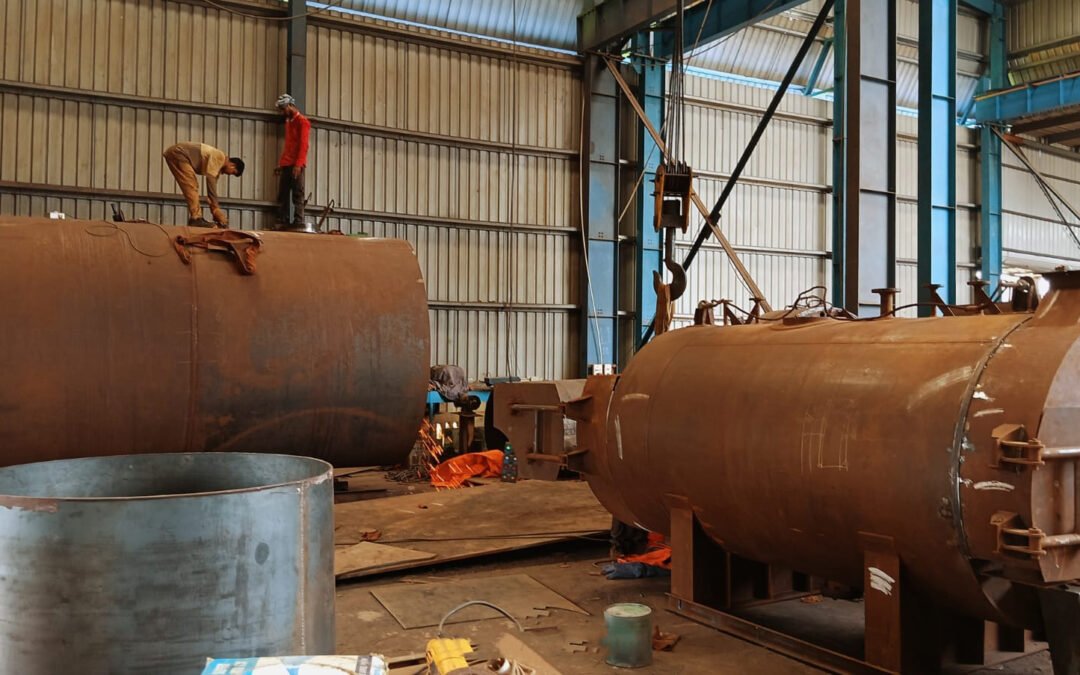
As a leading Boiler Manufacturer in India, our product range includes a variety of boilers designed for different industrial applications. Each type is crafted with precision engineering, ensuring high performance and durability.

  1. Fire Tube Boilers – Ideal for small to medium industries, offering simplicity, cost-effectiveness, and reliable operation.
  2. Water Tube Boilers – Preferred in high-pressure applications such as power plants and large manufacturing units.
  3. Biomass Boilers – Designed for eco-friendly energy generation using agricultural residues, wood pellets, and industrial waste.
  4. Fluidized Bed Combustion (FBC) Boilers – Known for burning low-grade fuels efficiently with reduced emissions and improved fuel flexibility.
  5. Waste Heat Recovery Boilers (WHRB) – Capture and reuse waste heat from industrial processes to enhance overall plant efficiency.
  6. Electric Boilers – A sustainable option for industries transitioning toward carbon-free operations.

Every boiler we produce is tested for safety, efficiency, and durability, ensuring that clients receive the best performance under demanding conditions.

Advancements in Boiler Technology

The modern Boiler Manufacturer in India must embrace technological innovation to meet evolving industry standards. Our manufacturing process integrates cutting-edge technologies and design enhancements that contribute to better performance and sustainability.

  • Automation & IoT Integration: Smart monitoring systems enable real-time performance tracking, predictive maintenance, and enhanced operational safety.
  • High-Efficiency Heat Transfer Designs: Advanced engineering ensures better combustion efficiency and reduced fuel consumption.
  • Emission Control Solutions: Equipped with scrubbers, bag filters, and electrostatic precipitators to comply with stringent pollution control norms.
  • Hybrid Boiler Systems: Capable of operating on multiple fuels, offering flexibility and cost optimization for diverse industrial applications.

Through continuous R&D, we remain committed to being a Boiler Manufacturer that leads innovation in energy-efficient and eco-friendly steam generation systems.

Compliance & Safety Standards in India

Safety and compliance are paramount in boiler manufacturing. As a reputed Boiler Manufacturer, our operations strictly follow the Indian Boilers Act and all relevant inspection and certification protocols. We ensure:

  • Adherence to Boiler Inspection and Testing standards.
  • Compliance with energy conservation norms.
  • Implementation of environmental guidelines for emission control.

Each boiler undergoes rigorous quality checks to guarantee superior performance and operator safety. Our manufacturing facilities also comply with ISO and ASME standards, reaffirming our commitment to quality and reliability.

Why Choose Us for Your Boiler Needs?

Choosing the right Boiler Manufacturer can significantly impact your operational efficiency and long-term profitability. Our company stands out for its comprehensive solutions that go beyond boiler supply.

We provide:

  • Customized Boiler Designs tailored to your specific industrial process.
  • Energy Audits and Optimization Services to minimize energy wastage.
  • After-Sales Maintenance and Support ensuring consistent performance and extended equipment life.
  • Sustainability Solutions that promote cleaner energy adoption and carbon reduction.

Our team of experts collaborates closely with clients from design to installation, ensuring seamless integration of boiler systems within their existing operations.

Conclusion

Boiler manufacturing in India is transforming to support the nation’s energy and sustainability goals. As a forward-thinking Boiler Manufacturer, we are dedicated to delivering reliable, efficient, and environment-friendly boiler systems that empower industries to thrive. Whether you operate in rice milling, textiles, chemicals, or power generation, our advanced boilers are engineered to meet your exact energy needs while optimizing performance and reducing costs.

With innovation, quality, and customer satisfaction at our core, we continue to redefine what it means to be a trusted Boiler Manufacturer in India—driving industrial growth through energy efficiency and technological excellence
O & M of Boilers

O & M of Boilers

O & M of Boilers (Operation and Maintenance of Boilers) : Ensuring Safety, Efficiency, and Longevity

Boilers are the backbone of countless industrial operations — from power generation and chemical processing to textile and food industries. As one of the most vital assets in any production facility, boilers require careful supervision and regular upkeep to operate safely and efficiently. This is where a well-structured O & M of Boiler program becomes essential.

A comprehensive Operation and Maintenance of Boiler plan ensures high performance, improved energy efficiency, reduced downtime, and long-term reliability. In this article, we’ll explore the importance, key practices, and benefits of maintaining a strong boiler O&M framework to enhance productivity while minimizing risks.

🔥 Why O & M of Boilers (Operation and Maintenance) Matters

Boilers operate under high temperature and pressure, making them both powerful and potentially hazardous if not managed properly. A strong O & M of Boilers program helps industries achieve safe, efficient, and sustainable operation.

Proper O & M of Boilers practices:

  • Improve thermal efficiency and reduce fuel costs.
  • Minimize unexpected downtime and maintenance costs.

  • Ensure compliance with safety and environmental standards.

  • Extend the boiler’s lifespan and operational reliability.

  • Prevent accidents, leaks, and system failures.

By integrating preventive maintenance with daily operational monitoring, industries can significantly boost efficiency while maintaining environmental compliance.

⚙️ Boiler Operation: Key Responsibilities

1. Pre-Start Checks

Before starting a boiler, operators must conduct critical system checks. These include verifying water levels, inspecting valves and safety devices, testing controls, and ensuring the quality of feedwater and fuel. Proper preparation prevents thermal shock and start-up failures.

2. Start-up & Monitoring

During start-up, operators should follow a controlled procedure to stabilize temperature and pressure gradually. Once running, continuous monitoring is vital for:

  • Steam pressure and temperature
  • Water level and feedwater flow
  • Fuel usage and efficiency
  • Flue gas composition

  • Combustion air supply

3. Safety System Oversight

Safety valves, pressure relief systems, flame detectors, and alarms should be tested regularly. In a robust O & M of Boilers program, safety systems are prioritized to prevent equipment damage and personnel hazards.

🛠️ Boiler Maintenance: Preventive & Corrective

O & M  Boilers activities are divided into preventive and corrective tasks to keep the system in peak condition.

Preventive Maintenance Includes:

  • Daily: Visual inspection, water level monitoring, pressure/temperature logging.
  • Weekly: Blowdown sludge, inspect fuel lines, test water quality.
  • Monthly: Clean burner nozzles, check flame sensors, lubricate motors.
  • Quarterly/Annually: Inspect refractory, calibrate instruments, and perform hydrostatic testing.

Corrective Maintenance Covers:

  • Replacing worn-out seals, gaskets, or sensors.
  • Repairing tube leaks or valve malfunctions.
  • Removing soot or scale buildup from heating surfaces.

  • Addressing corrosion and metal fatigue.

An effective O & M of Boilers approach prevents unexpected failures and ensures long-term performance.

📋 Best Practices for Efficient O & M of Boiler

  • Train and Certify Operators: Skilled operators minimize human error and improve performance.

  • Maintain Operation Logs: Regular data logging supports trend analysis and early fault detection.

  • Use Condition Monitoring Tools: Employ flue gas analyzers, infrared thermography, and vibration sensors for predictive maintenance.

  • Implement Proper Water Treatment: Prevent scale and corrosion to enhance efficiency and durability.

  • Plan Annual Shutdowns: Comprehensive inspections and overhauls during planned downtime help avoid major failures.

⚠️ Common Challenges in O & M of Boiler

  • Scaling and fouling from hard water

  • Corrosion due to dissolved gases or poor treatment

  • Soot build-up reducing heat transfer

  • Combustion inefficiency due to incorrect air-fuel ratio

  • Instrumentation failure or calibration drift

Proactive management helps mitigate these issues before they escalate into costly shutdowns.

🌱 O & M of Boilers and Sustainability

Modern O & M of Boilers practices play a vital role in sustainability. Efficient combustion reduces emissions, while optimized fuel and water management minimize environmental impact. These improvements align with global energy-efficiency standards and corporate sustainability goals.

🔚 Conclusion

The O & M of Boilers process is not merely a technical necessity — it’s a strategic function that directly impacts safety, reliability, and profitability. A well-executed maintenance program ensures consistent operation, lowers fuel consumption, and extends the equipment’s life.

Whether you manage a small industrial boiler or a large power plant, investing in professional O & M of Boilers services ensures long-term efficiency, safety, and sustainable performance.

💡 Need Help?

At Energy Services, we specialize in boiler operation, maintenance planning, and performance optimization. Reach out to us to learn how we can help enhance your boiler systems and ensure long-term operational excellence.

We are associated with Tranter 

OM of Power Plants

OM of Power Plants

Enhancing Efficiency and Reliability Through Effective OM of Power Plants

In the energy sector, OM of Power Plants (Operation and Maintenance) systems play a vital role in ensuring consistent performance, safety, and long-term profitability. Whether it’s a thermal, biomass, gas-based, or renewable energy unit, the OM process serves as the foundation for reliability and efficiency. Power plants are capital-intensive assets, and without a structured OM program, their efficiency, lifespan, and environmental compliance can quickly deteriorate.

Understanding OM of Power Plants

Operation refers to the day-to-day management of plant performance — monitoring critical parameters, controlling systems, and maintaining safe operating conditions. Maintenance focuses on the upkeep of mechanical, electrical, and control systems to prevent unplanned outages and maintain performance efficiency.

The combined OM approach ensures that every component — from boilers, turbines, and condensers to pumps, air preheaters, and pollution control systems — operates in harmony. This synergy between operation and maintenance determines the plant’s overall efficiency and reliability.

Why OM of Power Plant is Crucial

  • Improved Plant Availability: Effective OM minimizes downtime and enhances availability, ensuring continuous energy generation and profitability.
  • Optimized Efficiency: Regular performance tuning reduces fuel consumption, improves boiler efficiency, and minimizes auxiliary power use.

  • Regulatory Compliance: With strict environmental standards, OM ensures safe emissions, wastewater management, and adherence to pollution norms.

  • Extended Equipment Life: Preventive and predictive maintenance strategies significantly increase the service life of plant assets.

  • Cost Optimization: By detecting issues early, OM helps avoid costly breakdowns and unscheduled maintenance expenses.

  • Sustainability Goals: A well-managed OM system supports cleaner operations, reducing carbon footprint and improving the plant’s environmental performance.

Key Components of an Effective O&M Program

A successful OM of Power Plants program includes the following elements:

  • Skilled Workforce: Expert engineers and trained operators who understand plant behavior and system integration.
  • Advanced Monitoring Systems: Implementation of SCADA and DCS for real-time performance tracking, alarm systems, and operational data analytics.
  • Predictive Tools: Use of vibration monitoring, thermography, and oil analysis to predict and prevent equipment failures.
  • Preventive Maintenance Schedules: Routine checks and servicing as per OEM recommendations and site-specific conditions.

  • Inventory & Spares Management: Ensuring critical spares are available when needed to avoid downtime.
  • Documentation & Reporting: Maintaining detailed logs of operation, performance, and maintenance activities for performance review and audits.
  • Continuous Training: Regular training programs ensure staff stay updated on safety protocols, process optimization, and modern technologies.

Outsourced vs. In-house O&M

Plant owners often decide between managing OM internally or outsourcing it to specialized service providers. Outsourced OM of Power Plants offers several advantages: expert manpower, access to the latest diagnostic technologies, and a performance-driven service model. It also allows owners to focus on core business areas while ensuring the plant operates at peak efficiency. Outsourcing partners also bring experience from multiple projects, offering best practices that enhance reliability and energy output.

Digital Transformation in O&M

The digital revolution has reshaped the OM landscape. With the integration of IoT, AI, and Big Data analytics, plants can now predict failures, optimize maintenance schedules, and analyze performance in real time. Predictive analytics provide actionable insights that reduce downtime and enhance overall plant reliability. Remote monitoring and cloud-based dashboards have made performance tracking more transparent and efficient, ensuring data-driven decisions that improve plant economics.

Conclusion

In today’s competitive energy market, effective OM of Power Plants is not just about maintenance , it’s about maximizing performance, safety, and sustainability. A well-structured OM strategy improves operational efficiency, reduces lifecycle costs, and ensures compliance with environmental and safety norms. By embracing modern technologies and best practices, plant owners can achieve optimal reliability, improved profitability, and long-term success in a sustainable energy future.

We are associated with Tranter 

Chimney for Industrial Use

Chimney for Industrial Use

Chimney for Industrial Use: A Critical Component in Emission Management

In any industrial setting, managing emissions is not only a matter of meeting legal compliance but also a commitment toward environmental responsibility and workplace safety. One of the most vital components for effective emission control is the chimney for industrial use. These tall, robust structures are designed to safely discharge flue gases and other by  products of combustion from boilers, furnaces, and various manufacturing equipment into the atmosphere at controlled heights.

A chimney for industrial use serves as an essential infrastructure element that supports efficient plant operation by maintaining clean air within facilities and minimizing the impact of harmful gases on the surrounding environment.

Why Is a Chimney for Industrial Use Important?

A chimney for industrial use performs several critical functions that directly impact the efficiency, safety, and environmental performance of industrial operations.

  • Emission Dispersion: Industrial chimneys disperse hazardous gases and particulate matter high into the atmosphere, preventing pollutants from accumulating at ground level and protecting workers and nearby communities from exposure.
  • Temperature Control: By venting hot gases away from production areas, chimneys contribute to a safer and more comfortable working environment, while also protecting machinery from overheating.
  • Improved Draft: The natural draft created by the temperature difference between flue gases and ambient air enhances combustion efficiency in boilers and furnaces, leading to better fuel utilization.
  • Regulatory Compliance: A well-designed chimney for industrial use ensures that industries meet environmental standards and pollution control norms, reducing the risk of penalties and supporting sustainable operations.

Types of Chimneys for Industrial Use

Depending on the scale of operation, fuel type, and industrial process, there are different types of chimney for industrial use available. Each type offers unique benefits in terms of strength, cost, and maintenance.

  • Steel Chimneys: These are widely used in power plants, chemical industries, and manufacturing units. Known for their strength, corrosion resistance, and ease of installation, steel chimneys are ideal where mobility and quick setup are required.
  • RCC (Reinforced Cement Concrete) Chimneys: Built for heavy-duty and long-term use, RCC chimneys are strong, durable, and suitable for continuous operations in large-scale plants. Their robust design can withstand high temperatures and wind loads.
  • Brick Chimneys: Though less common today, brick chimneys are still used in specific industries for their traditional appeal and cost-effectiveness in low-pressure systems.

Each chimney for industrial use is selected based on its suitability for the type of gases emitted, the temperature of exhaust, and the environmental conditions of the site.

Key Design Considerations

Designing a chimney for industrial use requires technical expertise and adherence to engineering standards. Factors such as stack height, wind pressure, gas velocity, and temperature must be carefully evaluated to ensure proper dispersion and structural stability.

Key considerations include:

  • Stack height for optimal emission dispersion
  • Resistance to wind and seismic forces
  • Temperature and composition of exhaust gases
  • Material selection for corrosion and heat resistance
  • Compliance with local and national pollution control regulations

Every chimney for industrial use must be custom-designed to match the operational requirements of the facility, ensuring maximum efficiency and longevity.

Reliable Manufacturer of Chimneys for Industrial Use

We are a trusted manufacturer and supplier of chimneys for industrial use, offering tailor-made solutions for diverse sectors such as power generation, process industries, and manufacturing plants. Our team focuses on creating durable, efficient, and environmentally compliant chimneys that stand the test of time.

Whether you need a steel chimney for industrial use for a thermal power plant or an RCC chimney for a large-scale facility, we ensure precision engineering, quality materials, and adherence to safety standards.

With our expertise in emission control systems and industrial equipment, we help industries build cleaner, safer, and more sustainable operations. A well-designed chimney for industrial use not only supports environmental protection but also enhances operational efficiency, making it an indispensable part of modern industry.

We are associated with Tranter 

What is a Feed Water Tank?

What is a Feed Water Tank?

What Is a Feed Water Tank? Understanding Its Role in Industrial Systems

In many industrial systems—especially in sectors like power generation, oil refining, food processing, and HVAC—a feed water tank plays a critical role in ensuring smooth and efficient operation. But what exactly is a feed water tank, and why is it so important?

What Is a Feed Water Tank? A feed water tank is a vessel that stores and supplies water to boilers or steam-generating systems. This water, known as feed water, is pre-heated before it enters the boiler to ensure optimal performance and protect the system from corrosion, scaling, and thermal shock.

In simple terms, it’s the “starting point” for the water that will eventually be turned into steam to drive turbines, provide heating, or power various processes in an industrial facility.

What is a Feed Water Tank?

A feed water tank is an essential part of a steam boiler system, designed to store and condition the water that will be fed into the boiler. It acts as a reservoir that holds treated water before it enters the boiler for steam generation. The feed water is typically a combination of condensate return (recycled steam) and make-up water (fresh treated water), mixed and conditioned within the tank.

The main purpose of the feed water tank is to ensure that the water entering the boiler is free from impurities, oxygen, and temperature variations that can negatively impact boiler efficiency and safety.

Functions of a Feed Water Tank

A well-designed feed water tank performs several key functions critical to boiler health:

Water Storage and Conditioning

The tank serves as a buffer to store treated feed water, ensuring a constant and steady supply to the boiler. This helps maintain consistent steam production even during fluctuations in water demand.

Oxygen Removal

Dissolved oxygen in water can lead to corrosion inside the boiler and associated piping. Feed water tanks are often equipped with deaeration systems , mechanical or thermal — that remove oxygen and other gases before the water enters the boiler.

Temperature Control

Feed water is usually preheated in the tank using steam or a heating coil. Raising the temperature of the water close to boiling point improves boiler efficiency and reduces the thermal shock that occurs when cold water meets hot boiler surfaces.

Mixing of Condensate and Make-up Water

The tank allows proper mixing of returned condensate and fresh make-up water, creating uniform water quality. This helps in maintaining stable boiler operation and consistent steam quality.

Why is a Feed Water Tank Important?

Enhances Boiler Efficiency

By preheating the water and removing oxygen, the feed water tank significantly improves boiler thermal efficiency. Less fuel is required to convert hot feed water into steam compared to cold untreated water.

Prevents Corrosion and Scaling

Oxygen and other dissolved gases are major causes of corrosion in boiler systems. The feed water tank’s deaeration process minimizes this risk, extending the life of boiler tubes and related components.

Reduces Energy Costs

Preheating and recycling condensate reduce the amount of energy required to produce steam. This leads to lower fuel consumption and operational costs.

Promotes System Reliability and Safety

Consistent feed water temperature and quality help prevent thermal shock, scaling, and pressure fluctuations , ensuring smoother, safer, and more reliable operation.

Types of Feed Water Tanks

Depending on the scale and requirement of the plant, feed water tanks can vary in design and capacity:

> Atmospheric Feed Water Tank: Operates at atmospheric pressure, suitable for small- to medium-scale boiler systems.

> Pressurised Feed Water Tank: Maintains higher pressure and temperature, ideal for large industrial or power plant boilers.

Conclusion

So, what is a feed water tank? In simple terms, it’s the heart of a boiler’s water management system — ensuring that only properly treated, preheated, and deaerated water enters the boiler. Without it, boilers would face efficiency losses, corrosion issues, and operational instability.

At Energy Services, we design and manufacture high-quality feed water tanks and integrated boiler systems tailored to industrial needs. Our solutions ensure long-term reliability, safety, and energy efficiency for your plant operations.

We are associated with Tranter 

Power Plant Solutions – Consultancy

Power Plant Solutions – Consultancy

In today’s rapidly evolving Power Plant Solutions – Consultancy, energy landscape, power generation solutions need to be efficient, sustainable, and reliable. As a leading power plant consultant, we specialize in delivering comprehensive solutions that optimize plant performance, enhance operational efficiency, and ensure compliance with environmental regulations.

Understanding Power Plant Solutions

Power plant solutions encompass a wide range of services, from design and engineering to commissioning, operation, and maintenance. These solutions are tailored to meet the specific requirements of different industries, ensuring seamless energy generation and distribution.

Key Components of Power Plant Solutions

Feasibility Studies and Project Planning

> Site selection and assessment

> Fuel source evaluation (coal, gas, biomass, renewables)

> Environmental impact analysis

> Financial viability and cost estimation

Engineering, Procurement, and Construction (EPC)

> Conceptual and detailed plant design

> Equipment procurement and supplier evaluation

> Civil, mechanical, and electrical engineering solutions

> Project management and execution

Boiler and Turbine Solutions

> High-efficiency boiler designs for reduced fuel consumption

> Steam turbine selection and optimization

> Waste heat recovery systems

> Emission control technologies

Automation and Digitalization

> SCADA and DCS integration for real-time monitoring

> AI-driven predictive maintenance

> IoT-enabled performance analytics

> Smart grid and load management solutions

Operations and Maintenance (O&M)

> Routine maintenance and troubleshooting

> Performance monitoring and optimization

> Workforce training and skill development

> Spare parts management and upgrades

Energy Efficiency and Sustainability

> Renewable energy integration (solar, wind, biomass)

> Carbon capture and emission reduction strategies

> Water and waste management solutions

> Compliance with national and international standards

Why Choose Us for Power Plant Solutions – Consultancy?

As an experienced power plant consultant, we offer customized solutions tailored to industry needs. Our expertise in cutting-edge technology, regulatory compliance, and operational excellence makes us the preferred choice for power plant solutions.

By leveraging innovative engineering techniques, data-driven insights, and sustainable practices, we ensure that your power plant operates at peak efficiency while minimizing environmental impact.

Read more